
What the intermodal container gets used for today has moved a long way past its original job as a unit of ocean freight. Once ISO standardisation locked in common corner fittings and external dimensions back in the 1960s and 70s, the box quietly found its way into logistics, storage, construction, events, and retail, uses its original designers almost certainly never had in mind.
None of that versatility happened by accident. The same qualities that make it work so well for ocean freight, structural rigidity, weather resistance, a standardised handling interface, and solid built-in security, carry straight over into land-based use. Strip away the shipping context and what’s left is, in plain engineering terms, a genuinely well-built enclosure.
Infinex Containers works with Singapore customers across this whole spread of uses, from active ocean freight logistics right through to land-based storage and site work.
Active Freight Applications
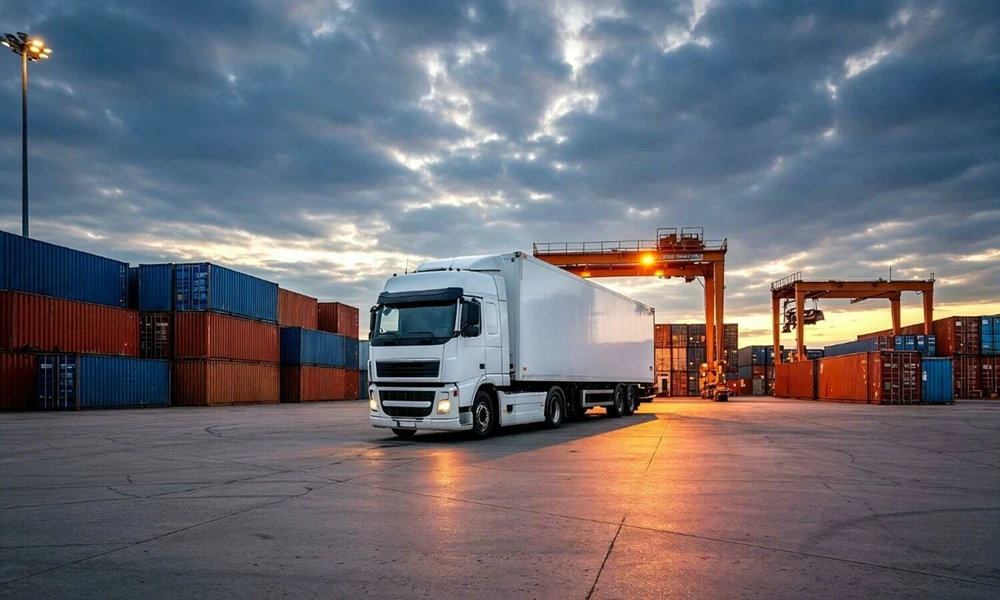
Freight transport is still the container’s original and primary job. Singapore’s position as one of the busiest transshipment hubs on the planet means millions of TEUs pass through its port facilities every year, some destined for Singapore itself, others just changing vessels here on their way somewhere else entirely.
For importers, that means the container turns up at PSA with cargo already inside, cleared through customs, then unpacked at the warehouse. For exporters, it runs the other direction: cargo gets packed at the facility, then the container goes to port to load onto the outbound vessel.
Intermodal container units from Infinex meet CSC (Container Safety Convention) requirements for ocean freight, carrying the structural certification needed to move through Singapore’s port environment without issue.
Land-Based Storage Applications
Set an intermodal container on a stable base and it becomes a secure, weatherproof storage enclosure that a purpose-built steel shed at the same cost genuinely struggles to match. The corrugated steel sheds water reliably, the floor structure takes serious load, and the lockable doors give forced entry a real fight.
On a construction site, that means storage for tools, materials, and documents. For an industrial facility, it means overflow storage dropped straight into a yard with no permanent structure to build. For a business mid-relocation or renovation, it means somewhere secure to put things temporarily without renting a whole extra unit elsewhere.
Walk through Singapore’s industrial estates and logistics parks and it’s obvious how many containers have settled into semi-permanent storage and site-support roles, which says a lot about how well the design actually suits this kind of use.
What started as a shipping innovation ended up reshaping land-based storage and logistics too, largely on the strength of the same idea that made it work at sea: a standardised, modular unit that does its job without needing to be reinvented for every new context.
Modified Container Applications
The container’s steel shell is really just a starting point once modification comes into play. Specialists in Singapore cut wiring, lighting, air conditioning, windows, and doors into standard containers to turn them into site offices. Others convert them into compact food prep or retail spaces. Pop-up retail and events use them as structures that can go up and come down again on whatever schedule the event needs.
None of this modification work is structurally exotic. The container’s original design is well understood, and its load capacity has plenty of headroom for the kind of changes most modification projects actually ask for.
Reefer Containers for Temperature-Controlled Cargo
The reefer, or refrigerated container, is the specialised branch of the family: a built-in refrigeration unit that holds a controlled temperature range for perishable cargo. In ocean freight, that means food, pharmaceuticals, and anything else that can’t tolerate temperature swings during transit.
On land, plug a reefer into a power supply and it becomes a temporary cold store, useful for events, construction site catering, or short-term food storage where a permanent cold room isn’t justified.
For Singapore businesses and logistics operators looking for intermodal container solutions that cover modern logistics and transport needs, from active ocean freight through to land-based storage and modified structures, Infinex Containers offers the intermodal container supply and logistics service that Singapore’s varied container needs actually call for.