

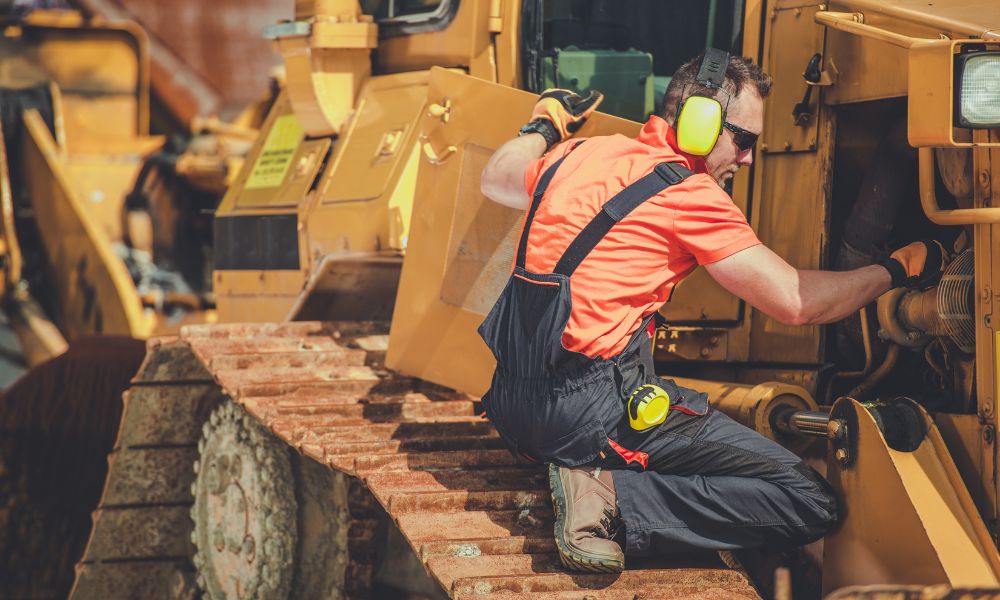
In modern industries, equipment performance plays a crucial role in determining productivity, efficiency, and overall success. Whether in logistics, manufacturing, construction, or agriculture, machines are at the core of operations. However, simply having advanced equipment is not enough. The knowledge of operators and managers is what truly determines how effectively that equipment is used. A well-informed workforce can unlock the full potential of machinery, ensuring optimal performance and long-term reliability. Investing in developing technical expertise in equipment can further help businesses improve operational efficiency, reduce downtime, and maximise the value of their machinery.
Understanding Operational Capabilities
Knowledge helps operators understand what equipment is capable of and how to use it efficiently. Every machine has specific limits, ideal working conditions, and performance standards.
When operators are aware of these factors, they can use equipment within its optimal range. This prevents overloading, reduces strain on components, and ensures consistent output. Proper understanding leads to better utilisation and avoids unnecessary wear and tear.
Efficient Use of Features and Technology
Modern equipment often comes with advanced features and technologies designed to improve performance. However, these features are only beneficial if operators know how to use them.
With proper knowledge, operators can take advantage of automation, monitoring systems, and efficiency settings. This leads to smoother operations, reduced manual effort, and improved accuracy. Using technology effectively also minimises errors and increases overall productivity.
Preventing Performance Decline
Equipment performance can decline over time due to wear, poor handling, or lack of maintenance. Knowledgeable operators can identify early signs of reduced efficiency.
By recognising issues such as slower output, unusual sounds, or increased energy consumption, they can take corrective action quickly. This prevents minor problems from escalating and ensures that equipment continues to perform at a high level.
Supporting Proper Maintenance Practices
Knowledge plays a key role in maintaining equipment performance. Operators who understand maintenance requirements are more likely to follow proper procedures.
Regular servicing, timely inspections, and correct handling all contribute to better performance. Well-maintained equipment operates more efficiently, consumes less energy, and delivers consistent results over time.
Improving Decision-Making
Informed decision-making is another important benefit of knowledge. Operators and managers can make better choices regarding equipment usage, upgrades, or replacements.
Instead of relying on guesswork, decisions are based on data and understanding. This leads to improved efficiency and ensures that resources are used effectively to maximise performance.
Enhancing Safety and Reliability
Knowledge not only improves performance but also ensures safe operation. Equipment that is used correctly is less likely to fail or cause accidents.
Reliable performance builds confidence among operators and reduces downtime. Safe and consistent operations contribute to higher productivity and better overall results.
Conclusion
Knowledge is a powerful factor in maximising equipment performance. By understanding operational capabilities, using advanced features effectively, preventing performance decline, supporting maintenance, and improving decision-making, businesses can achieve higher efficiency and reliability. Investing in training and continuous learning ensures that equipment is used to its full potential. In the long run, a knowledgeable workforce leads to better performance, reduced costs, and sustained operational success.