
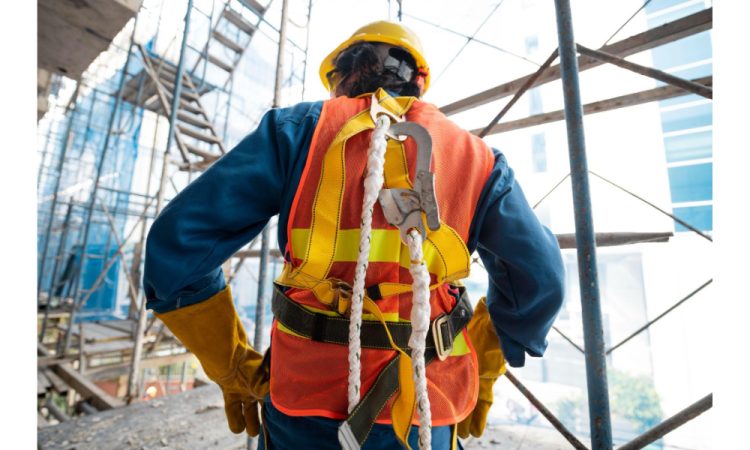
Working at height places clear responsibility on both employers and workers. Falls remain one of the leading causes of serious workplace injuries across construction, maintenance, and industrial sectors. Safety harnesses exist to reduce that risk, yet equipment alone does not prevent accidents. Inspection plays a central role in making sure protection works as intended, every time a worker clips in.
Why Harness Inspections Sit at the Centre of Safety
A safety harness absorbs force, distributes load, and keeps a worker secure during a fall. Each of those functions depends on material condition and correct assembly. Wear, UV exposure, dirt, and improper storage gradually weaken components without obvious warning signs.
Regular safety harness inspection identifies damage before failure occurs. Industry incident reports consistently show that neglected checks contribute to equipment-related falls. Inspection routines provide an opportunity to spot issues early and remove compromised gear from service before it places someone at risk.
Common Signs of Wear and Damage
Harness damage often develops slowly. Frayed webbing, loose stitching, distorted buckles, and cracked hardware indicate reduced strength. Chemical exposure can also weaken fibres, even when damage is not immediately visible.
A structured process focuses on tactile and visual checks during routine handling. Running hands along straps helps detect thinning or stiffness, while close examination of connectors reveals corrosion or deformation, all as part of a thorough safety harness inspection.
Inspection Frequency and Legal Expectations
Regulatory frameworks outline expectations for harness condition and record keeping. Many standards require pre-use checks by the wearer, combined with formal inspections carried out at set intervals by competent personnel. Frequency often increases in harsh environments or heavy-use settings.
Documented records support compliance during audits and investigations, particularly when supported by a consistent safety harness inspection. Clear records demonstrate that organisations take reasonable steps to manage fall risks, even when equipment appears visually intact.
Inspection Frequency and Legal Expectations
Regulatory frameworks outline expectations for harness condition and record keeping. Many standards require pre-use checks by the wearer, combined with formal inspections carried out at set intervals by competent personnel. Frequency often increases in harsh environments or heavy-use settings.
Documented safety harness inspection supports compliance during audits and investigations. Clear records demonstrate that organisations take reasonable steps to manage fall risks. Missing documentation often raises concerns even when equipment appears visually intact.
Training Workers to Inspect Correctly
Inspection quality depends on understanding what to look for. Untrained users may overlook early signs of degradation or assume damage looks dramatic. Small defects, however, can compromise load-bearing capacity.
Training programmes teach workers how to conduct a safety harness inspection methodically. Clear guidance on inspection points and reporting procedures improves consistency. When workers feel confident assessing equipment, unsafe harnesses are more likely to be flagged before use.
Environmental Factors Affecting Harness Condition
Climate and workplace conditions influence equipment lifespan. Heat, humidity, sunlight, and airborne contaminants accelerate material breakdown. Improper storage exposes harnesses to crushing, moisture, and contamination.
Workplaces using safety harnesses in Singapore often account for humidity and heat during inspection planning. Environmental awareness helps inspectors recognise damage patterns linked to local conditions and adjust replacement schedules accordingly.
Managing Harness Inventory and Traceability
Larger sites manage multiple harnesses across teams and shifts. Without clear tracking, damaged equipment may circulate unnoticed. Labelling systems help identify inspection dates, ownership, and service history.
A structured safety harness inspection programme links each harness to inspection records. Traceability supports accountability and prevents outdated equipment from re-entering use. Clear systems also simplify audits and safety reviews.
Repair, Retirement, and Replacement Decisions
Not all damage allows for repair. Manufacturers specify which defects require immediate retirement. Attempting unauthorised repairs often voids certification and introduces new risks.
Inspection findings guide decisions on repair or disposal. Safety harnesses in Singapore supplied by reputable manufacturers include guidance on acceptable wear limits. Following manufacturer instructions maintains compliance and avoids assumptions that compromise safety.
Balancing Efficiency With Safety Discipline
Time pressure often challenges inspection routines. Skipping checks saves minutes but increases exposure to serious harm. Efficient systems integrate inspection into daily workflows without creating bottlenecks.
Clear checklists and accessible storage locations encourage consistent inspection behaviour. A well-planned safety harness inspection routine becomes part of normal work practice rather than an added burden.
Building a Culture Around Fall Protection
Safety culture shapes how rules are followed on site. When inspection receives attention only after incidents, risks remain hidden. Consistent emphasis reinforces expectations and normalises safe behaviour.
Organisations working with safety harnesses in Singapore often align inspection practices with broader safety training. Linking inspection outcomes to toolbox talks and briefings keeps awareness active and relevant.
Practical Takeaways for Safer Work at Height
Effective fall protection relies on equipment condition, inspection discipline, and informed users. Harnesses perform as designed only when inspected, maintained, and replaced according to standards. Evidence from safety authorities continues to link inspection compliance with reduced fall-related injuries.
Contact SafetySam to discuss inspection procedures, training support, and harness management practices that align with workplace safety requirements.