
Not all fusible glass feels the same once it goes into the kiln. Some glass flows smoothly, some holds shape longer, and some surprises you in ways you did not expect. For artists, understanding these differences saves time and avoids disappointment. When people explore Hollander fusing glass supplies, they often notice the wide variety available and wonder which type suits their style best. This article breaks down common fusible glass types and how artists usually work with them in real projects.
Transparent Glass And How Artists Use It
Transparent glass plays with light in beautiful ways.
- Allows light to pass through fully
- Works well for windows and panels
- Creates depth when layered
- Colors often appear brighter after firing
- Best used where light interaction matters
Artists often use transparent glass for calm flowing designs.
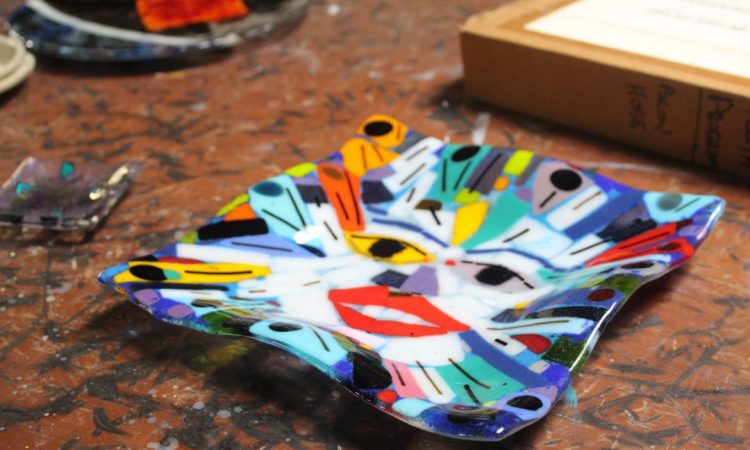
Opaque Glass And Its Visual Strength
Opaque glass feels solid and bold.
- Blocks light completely
- Creates strong contrast in designs
- Works well for graphic shapes
- Colors stay consistent after firing
- Useful for focal points in artwork
Opaque glass anchors designs and adds structure.
Streaky And Mixed Color Glass
Streaky glass blends two or more colors in one sheet.
- Creates natural movement without effort
- No two pieces look exactly the same
- Works well for abstract designs
- Reduces need for multiple layers
- Adds visual interest with fewer cuts
Many artists enjoy streaky glass for organic effects.
Textured Glass And Its Creative Role
Texture changes how glass catches light.
- Rippled textures soften straight lines
- Patterned surfaces add subtle motion
- Texture works best as an accent
- Overuse can distract from color
- Testing helps predict final appearance
Texture adds character when used with restraint.
Thin Versus Thick Glass Sheets
Thickness affects both firing and final feel.
- Thin glass heats faster
- Thick glass needs slower firing
- Even thickness improves stability
- Mixed thickness requires careful planning
- Thickness impacts weight and balance
Matching thickness avoids uneven results.
Choosing Glass Based On Project Type
Different projects call for different choices.
- Jewelry benefits from bright smooth glass
- Wall panels suit transparent layers
- Bowls need balanced thickness
- Plates require even weight distribution
- Decorative art allows more freedom
Matching glass to purpose improves satisfaction.
Learning Through Testing And Practice
Experience teaches faster than theory.
- Create small test tiles
- Fire samples before large projects
- Note color changes after firing
- Observe how edges behave
- Keep results for reference
Testing builds confidence over time.
As artists experiment, many find Hollander fusing glass supplies helpful because consistent quality makes learning patterns easier to recognize and repeat.
Understanding fusible glass types removes much of the guesswork from glass art. When artists know how different glass behaves, decisions feel easier and projects feel more intentional. Transparent, opaque, streaky, and textured glass each bring something unique to the table.