

A single path or predictable set of choices no longer defines the electricity market. Instead, consumers now stand between two very distinct approaches to power: the long-established model of traditional electric suppliers and the increasingly popular system built around renewable-focused providers. Knowing the contrast matters because the choice affects not just monthly bills, but also long-term environmental responsibility and future energy stability.
How Traditional Electric Suppliers Built Their Model
Traditional electric suppliers built their dominance through decades of fossil-fuel-driven energy generation. Their infrastructure was designed for one purpose: keeping the grid running at all hours, regardless of weather, season, or shifts in national demand. Coal plants, natural gas stations, and oil-fired generators form the backbone of this model, and while these systems have proven reliable over time, they carry the burden of emissions, fuel dependency, and rising operational costs. These suppliers operate in an environment shaped by strict regulation and legacy pricing structures, meaning consumers often have little say in how their power is generated.
The cost structure of these suppliers is strongly tied to global fuel markets, making electricity bills sensitive to sudden price spikes. Once fuel prices rise, consumers inevitably feel the impact. At the same time, maintaining dated infrastructure pushes operational expenses even higher. The advantage, however, is a predictable supply. Traditional suppliers offer a kind of stability that comes from controlling fuel intake and production on their own terms, making them dependable even during peak demand periods.
How Renewable-Focused Providers Rethink Electricity
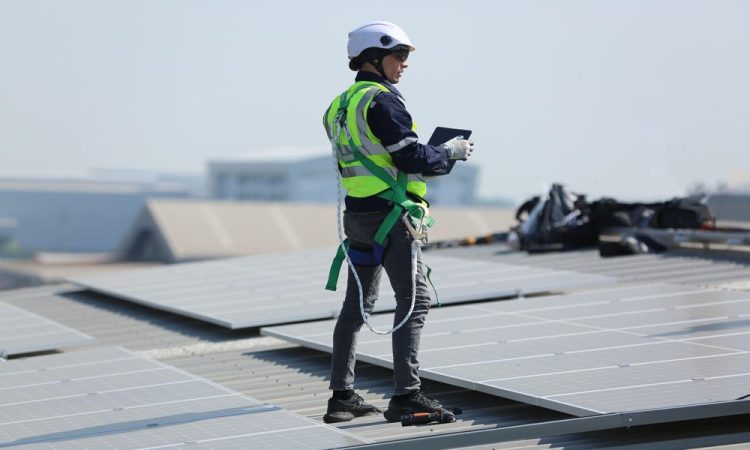
Renewable-focused providers flipped the script by designing their business models around cleaner energy sources from the ground up. Instead of burning fuel, they rely on solar farms that thrive under sunlight, wind turbines that generate power from natural airflow, and hydropower that moves with the current. Their approach is built on the belief that renewable energy electricity can be mainstream, affordable, and accessible to ordinary households without requiring everyone to install their own solar panels.
These providers often combine direct clean-energy generation with the purchase of renewable energy certificates to ensure that customers truly support low-carbon power. Their pricing tends to be more stable because renewable resources are not bought on the global commodities market; they are harvested from the environment. This shields consumers from the volatility of fossil fuel costs. While weather variations can influence the availability of renewable energy, modern grids, battery storage, and diversified energy sources help smooth out the inconsistencies, making renewable-powered supply far more reliable than it once was.
The Real Differences in Cost and Long-Term Value
Traditional electricity was viewed as the cheaper option for years, but that perception is fading fast. While renewable technology advances and becomes less expensive to maintain, renewable-focused providers now compete closely with conventional pricing. They even offer lower-cost plans in some markets because they are not tied to fluctuating fuel markets. The biggest advantage for consumers, especially businesses, lies in price stability. Due to predictable costs, energy planning becomes far easier and less vulnerable to global disruptions.
Traditional electric suppliers still have strong supply reliability, but consumers must accept the risk of fuel-related price changes. Renewable electricity plans, on the other hand, tend to behave more like long-term commitments to consistent and cleaner energy, reducing financial uncertainty while supporting sustainability targets.
The Defining Divider That Is Sustainability
If there is one area where the difference is most pronounced, it is environmental responsibility. Traditional electric suppliers produce significantly higher emissions because their power depends on combustion. Renewable-focused providers generate electricity through processes that release little to no greenhouse gases. This gap matters to households aiming to reduce their carbon footprint and to businesses with sustainability reporting obligations. Choosing renewable energy electricity has become a practical way to demonstrate environmental accountability without major lifestyle changes.
Reliability and How Both Systems Evolve
While traditional suppliers still hold a slight lead in baseline reliability, renewable-focused providers are closing the gap with rapid advancements in grid design, energy storage, and distributed generation. Modern energy systems no longer treat renewables as supplemental; they are becoming central to future energy planning. While infrastructure evolves, the reliability advantage of traditional suppliers will continue to shrink.
Conclusion
The differences between traditional electric suppliers and renewable-focused providers extend far beyond how electricity is produced. One model depends heavily on fossil fuels and global fuel markets, while the other leans on sustainability, resource independence, and stable pricing. Since renewable energy electricity becomes a stronger part of mainstream supply, consumers increasingly view it as a future-proof choice. Whether motivated by cost stability or environmental responsibility, more households and businesses are shifting towards providers that deliver cleaner, more forward-looking power.
Visit Flo to switch to cleaner, more stable power today.