5 Overlooked Factors That Protect Machinery During Long-Term Heavy Equipment Storage

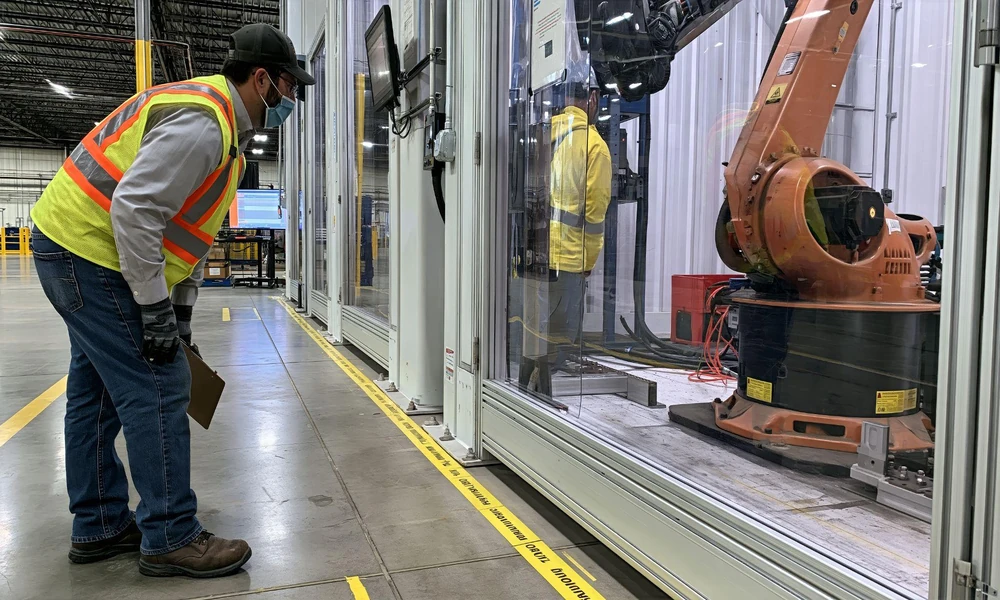
Machinery that sat in storage for eighteen months and came out with seized bearings, surface corrosion on machined faces, and moisture inside an electrical enclosure was almost certainly prepared for a shorter stay. Long-term storage is not simply short-term storage extended. Different mechanisms dominate, and several of them act slowly enough that they cause no trouble over a few weeks and significant damage over a year. Five factors account for most of the deterioration that operations managers discover at unpacking, and all of them are addressable before heavy equipment storage in Singapore begins rather than after.
1. Moisture Management Inside a Sealed Package
Sealing equipment into a barrier wrap traps whatever humidity was present at the time of packing. In a tropical climate, that can be a considerable amount, and temperature cycling then produces condensation inside the package, directly against the surfaces the barrier was meant to protect.
Proper preparation means drying the equipment thoroughly before wrapping, calculating desiccant quantity against the enclosed volume and expected storage duration rather than using a standard number of sachets, and fitting humidity indicator cards visible through an inspection panel so condition can be monitored without breaking the seal.
2. Protection of Machined Surfaces, Bearings, and Internal Components
Exposed machined faces, shafts, and flange surfaces corrode readily. Applying an appropriate preservative coating before packing protects them, and the choice of product matters since some require removal before commissioning and others don’t.
Rotating equipment carries a separate issue. Bearings left in one position for extended periods can develop indentation at the contact points, and lubricant can drain away from surfaces that need it. Manufacturers often recommend periodic rotation during storage, and where they do, that requirement needs to be built into the storage plan rather than discovered in a manual at unpacking.
3. Crate Design Matched to Duration, Not Just to Transit
A crate built to survive a single voyage and a crate intended to sit in a warehouse for a year are different specifications. Long-term storage requires timber that has been properly treated and dried, construction that won’t sag under sustained load, and ventilation or sealing chosen deliberately according to whether the package is barrier-wrapped internally.
Wooden crates in Singapore intended for export also need to comply with ISPM 15 phytosanitary requirements, with treatment marks applied correctly, and this is worth confirming at the point of manufacture rather than when a shipment is held at a border. Where equipment may be stored locally and exported later, specifying compliant crating from the outset avoids repacking.
4. Storage Conditions, Elevation, and Position Within the Warehouse
Where a crate sits affects what happens inside it. Crates placed directly on a concrete floor absorb moisture through the base, and positions near roller shutter doors experience larger temperature swings and greater humidity ingress than positions deeper inside a building.
Elevating crates on dunnage, keeping them away from doors and external walls, and avoiding positions beneath roof areas prone to leaks are simple measures that meaningfully change the internal environment over a long storage period.
5. Periodic Inspection and Documentation Throughout Storage
Equipment left untouched for a year is equipment nobody has checked for a year. A scheduled inspection regime, even a quarterly walk-through checking humidity indicators, crate integrity, and any signs of water ingress or pest activity, catches problems while they remain correctable.
Documentation matters equally. Recording what preservative was applied, what desiccant was used, when it was packed, and what commissioning steps are required at unpacking prevents a situation where nobody remembers whether a coating needs removing before start-up.
Quick Checklist Before Long-Term Storage
- Equipment thoroughly dried before barrier wrapping and sealing
- Desiccant quantity calculated against enclosed volume and storage duration
- Humidity indicator cards fitted and visible through an inspection panel
- Machined surfaces coated with an appropriate preservative, recorded on the packing list
- Manufacturer’s rotation or maintenance requirements built into the storage schedule
- Crates elevated on dunnage, away from doors and external walls
- Inspection schedule set, with findings recorded against each crate
Planning the Unpacking Before the Packing
The step most often skipped is deciding how the equipment will be brought back into service. Preservative coatings need removing, desiccants disposing of, and commissioning checks performing, and the people doing that work are frequently not the ones who packed it. A packing list travelling with the crate, stating what was applied and what must be reversed, turns unpacking into a procedure rather than an investigation, and it’s the cheapest insurance available against equipment being commissioned incorrectly after a long and otherwise well-managed storage period.
Contact Sin Chew Woodpaq to discuss crating and preservation requirements for machinery entering long-term storage or export.