

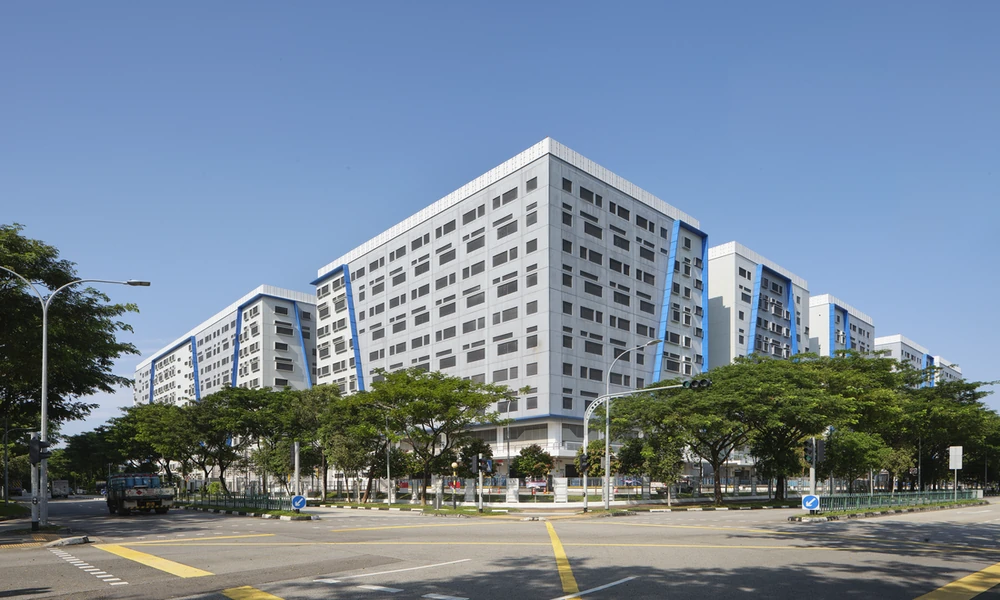
JTC industrial property is the foundation on which Singapore’s manufacturing and industrial sector operates. The Jurong Town Corporation, established in 1968 to develop industrial land for Singapore’s manufacturing ambitions, remains the dominant landlord and infrastructure developer for the industrial property sector more than five decades later. Understanding how JTC industrial property works, how it differs from private industrial property, and how it can be leveraged for business expansion requires knowledge of a system that has its own logic, processes, and requirements.
What JTC Industrial Property Is
JTC’s industrial property portfolio spans a wide range of facility types serving different segments of the industrial economy.
Flatted factories provide multi-tenanted industrial space in stacked configurations, allowing small and medium manufacturers to occupy a unit in a multi-storey industrial building. These units are typically available for lease in sizes from several hundred to several thousand square feet.
Single-user factories are standalone buildings on leased land, allowing a single occupier to configure the building to their specific operational requirements. These facilities are available on longer leases and provide more operational flexibility than multi-tenanted units.
Land parcels are sites leased to businesses who construct their own purpose-built facilities. Land is leased rather than sold, with JTC retaining land ownership and the lessee constructing and maintaining the building for the lease term.
Ready-built facilities are purpose-designed buildings in sectors like aerospace, food manufacturing, or logistics that JTC develops and leases to companies in those sectors.
JTC’s Requirements for Industrial Property Tenants
JTC industrial property is not available to all businesses. JTC’s tenanting criteria require that the industrial activities of the tenant are consistent with the designated use of the property, that the tenant is a bona fide business with genuine operational requirements, and that the space is primarily used for industrial production, research and development, or logistics rather than for commercial activities better suited to commercial zones.
These requirements have practical implications for businesses seeking JTC premises. Activities like retail, showrooms that primarily serve walk-in customers, or office use that significantly exceeds the ancillary office component permitted in industrial properties may not be approved by JTC.
As JTC’s official guidance on industrial property use states, “Industrial premises are designated for specific uses to maintain the efficiency of Singapore’s industrial land supply and to ensure that land is used for the productive activities it is allocated for.”
The Lease Structure
JTC industrial property is held on leasehold terms, typically 30 or 60 years for land parcels and shorter terms for built facilities. Understanding the remaining lease tenure and its implications for the asset value and the lessee’s reinvestment decisions is an important consideration in any JTC property decision.
For businesses expanding into JTC industrial space, the lease term needs to align with the business’s investment horizon. A significant capital investment in fit-out or purpose-built facilities on a short remaining lease term may not generate an adequate return before the lease expires.
Navigating JTC Property for Expansion
JTC industrial property for business expansion in Singapore requires navigation of JTC’s application processes, compliance requirements, and approval procedures. Businesses new to the JTC industrial property market often benefit from working with consultants who understand these processes and can represent the business’s interests in the application and approval process.
Key steps in securing JTC industrial premises for expansion include:
- Identifying available units or land parcels that match the operational requirements
- Submitting applications that accurately represent the intended use and demonstrate compliance with JTC’s tenanting criteria
- Negotiating lease terms within the parameters JTC allows
- Managing the transition from the existing premises to the new facility
Building for Growth
Singapore’s industrial land supply is finite and carefully managed by the government as a strategic resource. As Minister for National Development Desmond Lee has noted in discussions on land use planning, “Singapore’s industrial land is a national resource that must be deployed efficiently to support the productive activities that drive economic growth.” Access to the right JTC industrial property at the right time, through a well-managed application process, is the foundation on which manufacturing businesses in Singapore build their capacity for sustained growth. JTC industrial property solutions that match your operational requirements and fit within your expansion timeline are the starting point for building that capacity.